Gold’s Next Move: What Lies Ahead After a Turbulent First Half
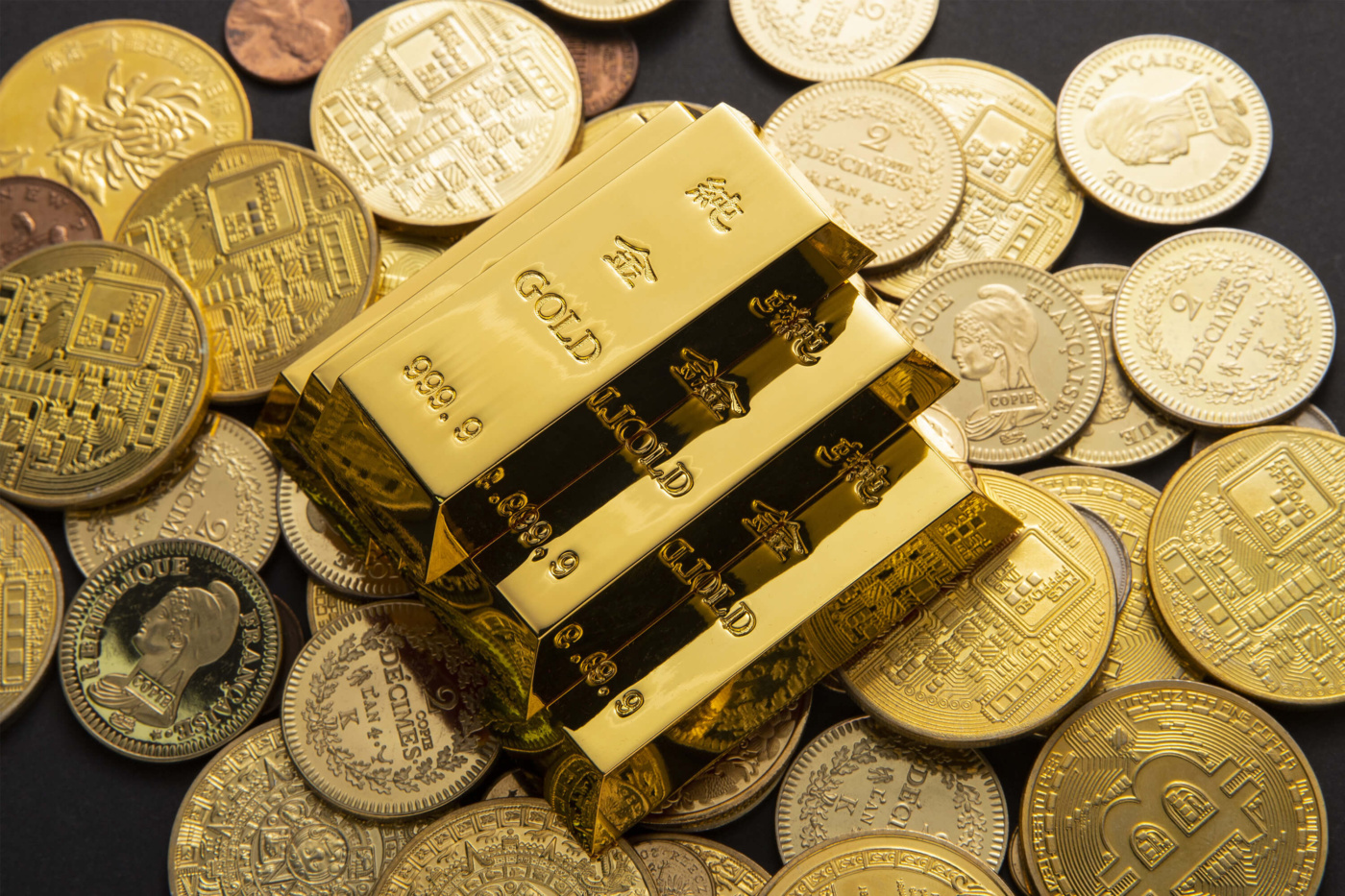
Gold has entered the second half of 2026 facing a markedly different landscape from the one that propelled it to record highs just months ago. After climbing above US$5,500 an ounce on an intraday basis in late January, bullion retreated sharply, briefly falling below US$4,000 by the end of June. The decline has left gold down approximately 7 per cent year to date, yet the metal remains among the best performing major asset classes over the past twelve months, outperforming global equities, bonds and broad commodity indices over the same period.
The price action illustrates a market increasingly driven by geopolitical developments, shifting monetary policy expectations and evolving patterns of investor demand. According to the World Gold Council, around 70 per cent of gold’s price variability during the first half of the year can be attributed to four key factors. Momentum accounted for 24 per cent, followed by risk and uncertainty at 17 per cent, foreign exchange movements at 14 per cent and economic expansion at 12 per cent. Changes in interest rate expectations contributed just 3 per cent. Volatility rose alongside prices.
Thirty-day realised volatility exceeded 50 per cent during the escalation of the US-Iran conflict before easing to below 30 per cent by late June. Although considerably lower than its peak, volatility remains well above the metal’s twenty-year average of 17 per cent, suggesting markets continue to assign a premium to uncertainty.
At current levels, the World Gold Council’s Gold Valuation Framework shows prices are broadly aligned with prevailing macroeconomic expectations. Consensus forecasts point to global economic growth of 2.9 per cent in 2026, US growth of 2.1 per cent and global inflation averaging 4.3 per cent, alongside expectations that the Federal Reserve, Bank of England, European Central Bank and Bank of Japan will continue a measured cycle of policy tightening.
Louise Street, Senior Markets Analyst at the World Gold Council, describes the current backdrop as “the kind of conditions that we consider a bit of a perfect storm for gold”, pointing to persistent inflationary pressures, rising recession risks and heightened geopolitical uncertainty. Together, those factors have reinforced gold’s traditional role as both an inflation hedge and a safe haven during periods of market stress. Under those assumptions, gold is expected to trade within approximately 5 per cent of current levels through the remainder of the year.
The outlook, however, remains highly sensitive to changes in the macroeconomic backdrop. Scenario analysis by the World Gold Council indicates that renewed geopolitical tensions, weaker economic growth or a shift towards lower interest rate expectations could lift prices by between 5 and 20 per cent, pushing bullion back towards US$4,500 an ounce or higher. By contrast, stronger economic growth, higher bond yields and a sustained recovery in investor risk appetite could lead to a decline of between 5 and 15 per cent, although historical buying patterns suggest bargain hunting would likely limit further downside.
The changing composition of demand is also reshaping the market. Intraday trading data show that the majority of gold’s price recoveries during the first half occurred during Asian trading hours, while many of the sharpest declines originated during US sessions. The trend reflects the increasing influence of Asian investors in price discovery, particularly as China expands institutional participation and India remains the world’s second largest consumer of physical gold despite policy measures designed to curb imports. India’s decision to increase gold import duties from 6 per cent to 15 per cent is expected to reduce domestic jewellery, bar and coin demand by between 50 and 60 tonnes, or roughly 10 per cent year on year. Even so, India continues to account for approximately 800 tonnes of annual demand, maintaining its significance within the global market.
Central banks continue to provide one of the strongest structural supports for the market. Since 2022, official sector purchases have averaged around 1,000 tonnes annually, more than double the average recorded between 2010 and 2021. According to the World Gold Council, every additional 20 to 30 tonnes of purchases above the long-term average of approximately 600 tonnes has historically corresponded to a 1 per cent increase in gold prices.
The shift reflects more than conventional reserve diversification. Following the freezing of Russia’s foreign exchange reserves in 2022, many policymakers reassessed the security of reserve assets held within the dollar based financial system. As Daan Struyven, Co-Head of Global Commodities Research at Goldman Sachs, observed, reserve managers began asking themselves, “Maybe my reserves aren’t safe either”, a reassessment that has contributed to what he describes as a “fivefold increase in demand for gold from central banks”. Gold’s enduring appeal lies not only in its historical performance during periods of uncertainty but also in its independence from the monetary system.
As Russ Mould, Investment Director at AJ Bell, notes, “Gold can’t be printed by central banks”, making it an attractive store of value when investors become concerned about inflation, currency debasement or financial stability. The current rally has inevitably drawn comparisons with previous periods of rapid appreciation. Gold rose to record highs in 1980 amid soaring inflation and geopolitical tensions before falling 65 per cent by mid-June following year. After reaching another peak in 2011 during the aftermath of the global financial crisis, prices declined by around 35 per cent over the subsequent two years.
For investors, the question is no longer whether gold retains its place as a defensive asset, but what catalyst will determine its next move. Continued official sector buying and resilient long-term demand provide a firm foundation, yet the direction of prices will ultimately hinge on whether inflation, interest rates and geopolitical tensions evolve in ways that reinforce, or diminish, gold’s appeal as a safe haven.